


 Get a Free Quote

You Own the Source Code
After delivery and payment, the source code, database and documentation are handed over. No per-user licence, no lock-in.
 Bespoke Software · Across India
When ready-made software forces your team to work around it, a custom system built around your own process is the answer. We take Indian businesses from the first discovery call to written requirements, architecture, phased delivery and go-live, with Tally, payment gateways, WhatsApp and GST e-invoicing connected, and hand over the source code when the project is delivered and paid for.

Custom software is not always the answer, and a good custom software development company in India should tell you when it is not. If a ready-made billing package or a configured ERP fits most of how you work, start there. Custom development earns its place when your process is your advantage: a costing method no package supports, approvals that follow your own hierarchy, documents your buyers insist on, or several tools that need to become one system.
The usual signs are familiar. Data is typed twice, once in a spreadsheet and again in Tally. Job-work challans live in a file. Reports reach the owner at month end, after decisions were already made. Staff keep their own registers because the software does not record what they need. Each of these is a requirement waiting to be written down.
We have built custom systems for Indian businesses since 2007. This page explains how a build works with us from start to finish. For the broader picture of what our company builds, see our software development company in India page; to plan on your own first, read the custom software development guide.
Each stage ends with something you can check, so you approve the next step with full information.
A free call or meeting to understand the problem, the users and the systems already in place. We tell you honestly whether custom software is the right answer.
Clear recommendationWe map each process with the people who do it and collect every document, register and report they use, including the exceptions.
Process mapsA written specification of modules, screens, roles, rules, reports and integrations, which you review and sign off.
Signed scope and quoteDatabase design, technology choice, hosting plan and a clickable prototype of the main screens.
Approved designModules built in two-week cycles on a staging system you can log in to, with a demo at the end of each cycle.
Working modulesOur testing first, then user acceptance testing by your team with real data and real cases.
Accepted modulesMasters, opening stock and balances imported; each user group trained on its own screens.
Trained usersSupport through the first days of live use, then an annual maintenance contract.
Live systemThe requirement document is the most important thing we write. It turns conversations into something both sides can check, and it is what the quote is based on. A typical document for an Indian business system covers:
Anything not in the document is not in the quote, which protects you as much as us. If you later want to add to the scope, we quote the addition separately and start it only after you approve it.
Each integration is listed in the requirement document with what moves, in which direction and when.
Architecture sounds technical, but each decision has a business consequence, so we explain them in plain language before building.
Most business systems are web applications used in the browser on office computers, with responsive screens for phones. Where staff work in the field or on the shop floor, we add Android or iOS apps, or a progressive web app if that is enough.
Cloud hosting lets branches, staff on the road and the owner use the system from anywhere, with backups handled for you. An on-premise server suits sites with unreliable internet or a policy of keeping data in-house. Some clients use the cloud with a local backup.
We usually build with PHP and Laravel or Node.js, MySQL or PostgreSQL, and a modern JavaScript frontend, because these are widely known and another team could maintain the system if it ever had to. For mobile we use Flutter or React Native, or native code when the device demands it.
We design the database and modules so new branches, companies, users and features can be added later without rebuilding. Our Coir ERP is an example: purchase, production, stock, sales, masters and reporting modules, four production stages, multiple units of measure and role-based access for four user roles.
Two things that protect your investment in custom software.
After delivery and payment, the source code, database and documentation are handed over. No per-user licence, no lock-in.
Core modules first, used daily, then the next phase shaped by what your team learns. Each phase has its own scope.
You log in to a staging copy throughout the build, so feedback comes while changes are still easy.
Your team tests each module with real cases before it goes live, and signs it off.
Role-based access and a record of who changed what, built in from the start.
Fixes, GST and statutory updates, monitoring and small changes after go-live.
Our team is in Coimbatore. For clients elsewhere in India, the requirement study runs on video calls supported by your documents: scanned invoices, challans, registers and the spreadsheets your team uses. We walk through each process with the person who does it, screen by screen, and send process maps back for confirmation.
During the build you have a staging system, a demo every two weeks and a weekly call. Data import and user training are done online in short sessions by user group. Where an on-site visit helps, such as a factory walkthrough before the study or training at go-live, we discuss it with you and include it in the scope.
For a bespoke build, the company’s process matters as much as its coding skill. Ask every company you shortlist:
If the system you need is mainly an ERP, see our custom ERP software page and our ERP software company in India page. For a subscription product you will sell to others, see SaaS development and the PaperFlow case study. If you are outside India, see offshore software development.

We have built custom software for businesses in India and abroad since 2007.

A signed requirement document before any code, and a quote based on it.

Tally, UPI gateways, WhatsApp and GST e-invoicing connected as standard work.

1000+ projects for 350+ clients since 2007.

Source code, database and documentation handed over after delivery and payment.
Live websites and systems our team built, which you can open and check yourself.
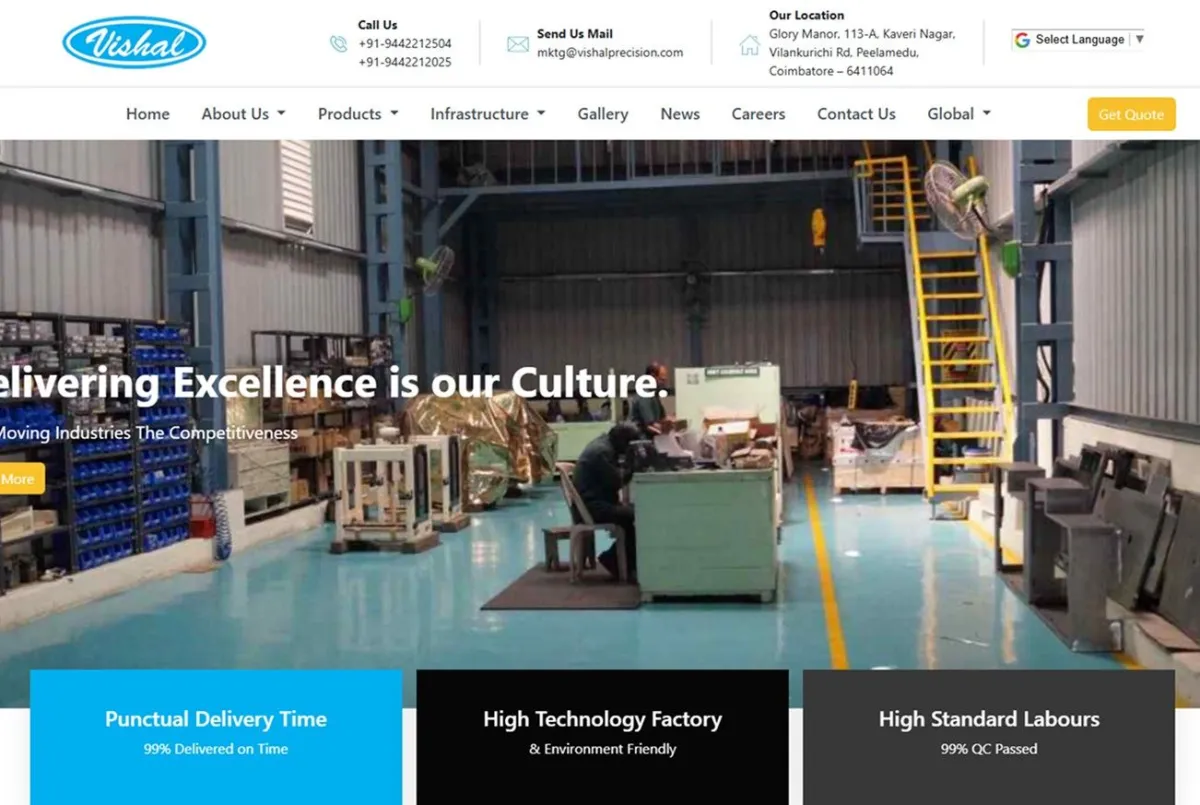
Export Engineering Website
Visit live site: vishalprecision.com Read the case study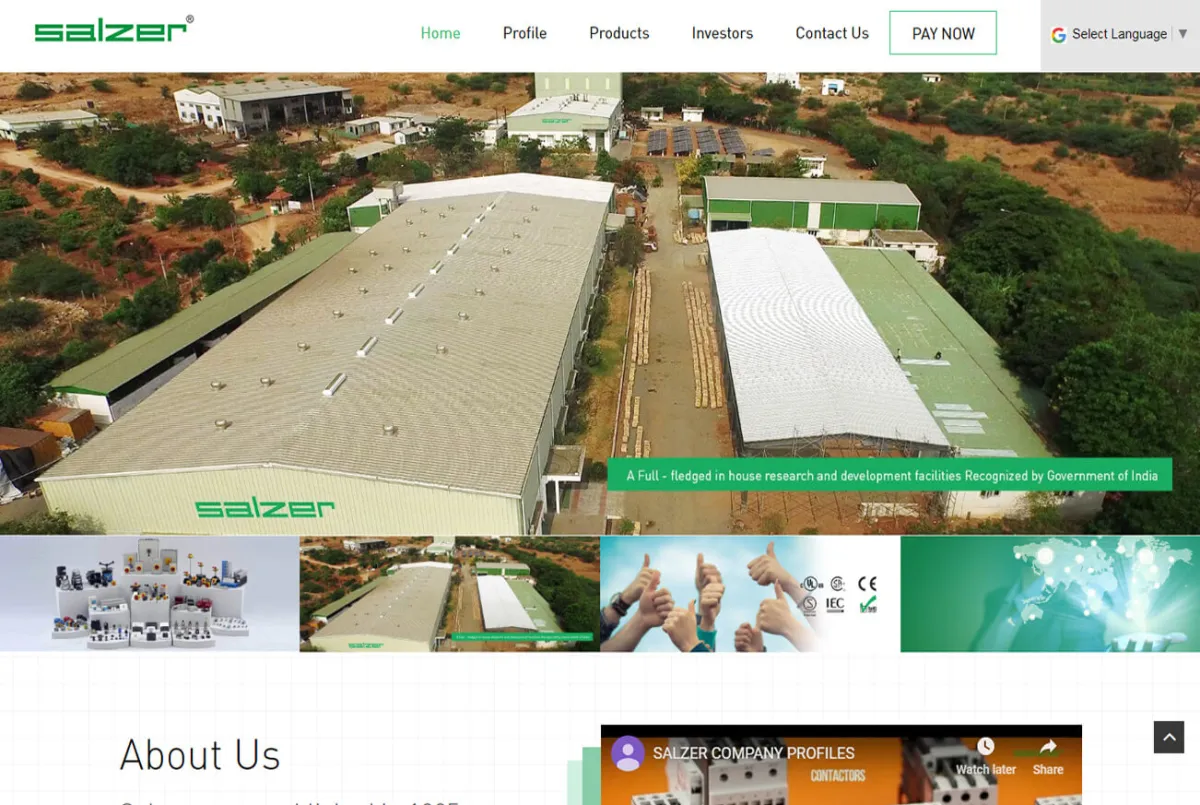
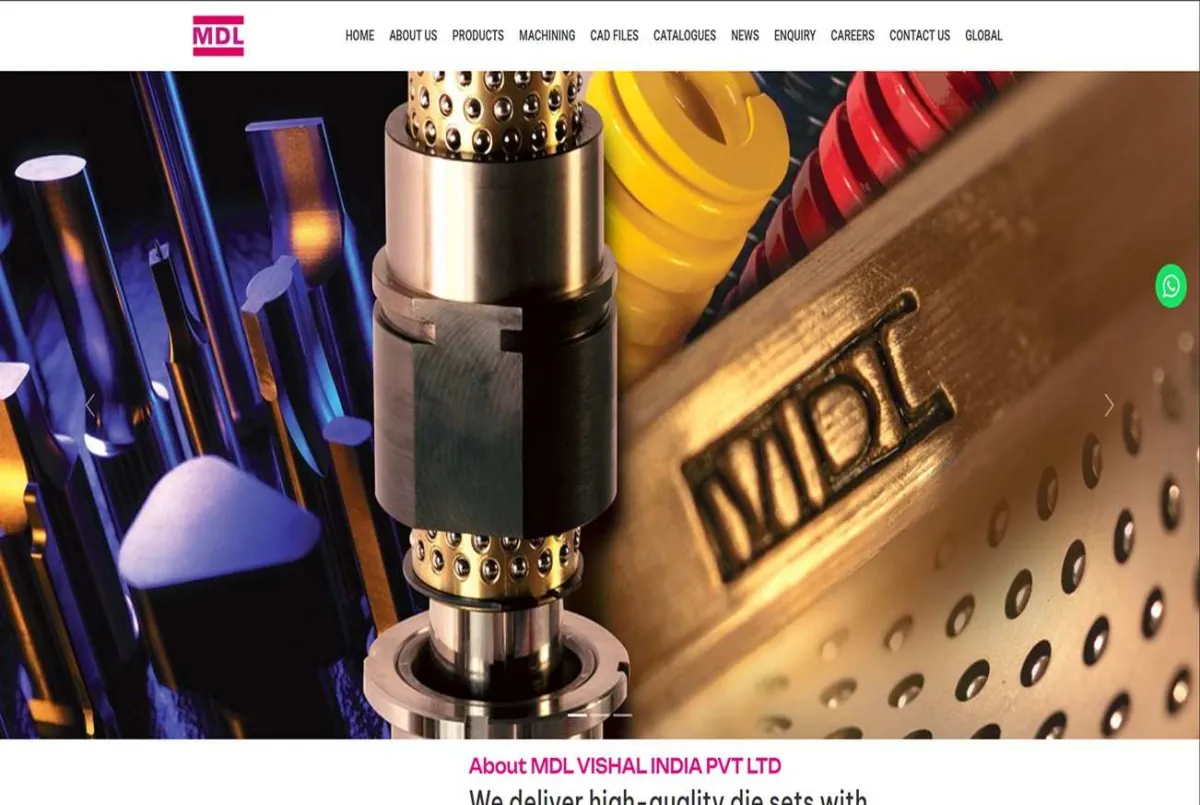
Defence Corporate Portal
Visit live site: mdl-india.com Read the case study
59 live client websites among the 64 projects in our portfolio, including clients in Germany, Bahrain, UAE, Kuwait, UK.
Tell us the problem and we tell you honestly.
Contact Our TeamTell us how your business runs. We write it down, design the system and send a clear, itemised quote.

