


 Book a Free Demo

Warp and Weft Yarn
Yarn received by count, lot and supplier, own or supplied by a party, with warp and weft issues per sort and the yarn balance on each beam.
 ERP for Weaving Units
Weaving mill software for powerloom, rapier and airjet sheds: yarn in, beams out, metres from every loom, job weaving accounts for traders, grey fabric by quality and wages worked out per metre or per pick.

Every kilo of yarn and every metre of fabric is held against a sort, a beam, a loom and a party.
Yarn received by count, lot and supplier, own or supplied by a party, with warp and weft issues per sort and the yarn balance on each beam.
Warping programmes, beams sent to sizing on challan and received with length and ends, beam stock by sort, and each beam traced to its loom.
Metres or picks per loom per shift from counter readings or entry, with the weaver, sort and beam on each loom.
Loom efficiency from actual against expected picks, with stoppage reasons such as warp and weft breaks, beam outs and power cuts.
Yarn received from traders, consumption per metre by sort, fabric delivered, yarn balance per party and conversion charges billed per metre or pick.
Grey stock by quality code, reed, pick, width and count, by roll or piece, with fabric sent for processing tracked on job-work challans.
Rolls measured and inspected, defects graded on the four-point system or your own rules, seconds and fents kept apart, and weaver-wise defect reports.
Weavers paid on metres or picks produced, helpers and jobbers on shift rates, with attendance, advances, PF and ESI in payroll.
Fabric sales invoices, job-work bills at the applicable rate, delivery challans, e-way bills and e-invoices where your turnover requires them.
Loom readings, roll weights and party statements come from the same data that produces bills and GST returns.
We show you working software at every stage, and your team is trained before the switch-over.
We study your current process, documents, reports and pain points, free of charge.
Requirement documentWe design the screens, workflow and reports, and review them with your team.
Approved designWe develop module by module and demo each one, so feedback comes early.
Working modulesWe import your masters and opening balances and train every user.
Trained teamWe run the first days with you on site or online, then support you under an AMC.
Live system
Weaving looks simple from outside: yarn in, fabric out. Inside, beams move between warping, sizing and looms, traders supply their own yarn, weavers are paid on output and grey fabric goes out for processing. The yarn balance with each party is where most disputes start.
Weaving mill software keeps yarn, beams, metres and money in step. It is the weaving part of our textile ERP, sized for anything from a single powerloom shed to a multi-shed airjet unit.
Every weaving question comes back to three numbers: how much yarn went in, how many metres came out and who owns what is left. This is how weaving mill software keeps them straight.
Each fabric quality, or sort, is defined by warp and weft counts, ends, reed, pick, width and crimp. From that the software works out warp and weft yarn per metre, so it knows how much yarn a beam should use and how much fabric it should give. Actual consumption is compared with this standard for every beam. When a trader asks for a new quality, the same calculation gives a quick estimate of yarn requirement and conversion cost before you accept the order.
Warping produces beams that often go to an outside sizing mill. The beam goes out on a job-work challan and comes back with sized length and ends recorded. Beam stock is kept by sort, and when a beam is gaited on a loom, its yarn is consumed against the fabric that loom produces.
Shift readings come from pick counters or are entered per loom, with the weaver recorded. Expected picks from loom speed and running time give efficiency, and stoppage reasons explain the gap. Over a month the owner sees which looms, sorts and shifts lose output, and which weavers produce the cleanest cloth. Weavers can see their own output and efficiency, which often does more for production than any notice on the wall.
Many sheds weave for traders who supply the yarn and pay a conversion charge. The software keeps a yarn account per trader: yarn received, yarn used at the agreed consumption, fabric delivered and balance yarn held. Conversion charges are billed per metre or per pick with GST, and the yarn statement settles questions before they become arguments.
Fabric is folded, measured and inspected roll by roll, with defects graded and seconds separated. Grey stock is kept by quality and sent to processors on challan when the party asks. Weaver wages come from the same production entries, per metre or per pick, with attendance and statutory deductions handled in payroll.
Included items are part of the standard system. Optional items are quoted separately when you need them.
| Item | Details | Status |
|---|---|---|
| Requirement study | Shed walk-through, sorts, parties and wage rules | Included |
| Yarn and sort masters | Counts, ends, reed, pick, width, consumption norms | Included |
| Beams and sizing | Warping, sizing job work, beam stock | Included |
| Loom production | Shift-wise metres or picks per loom | Included |
| Efficiency reports | Loom, sort, shift and weaver-wise | Included |
| Job weaving accounts | Party yarn accounts and conversion billing | Included |
| Grey stock and inspection | Rolls, grades, seconds, processing challans | Included |
| Weaver wages | Per metre or per pick, advances, PF and ESI | Optional |
| Pick counter integration | Readings from loom monitoring where available | Optional |
| Training and go-live | Shed supervisors, stores and office | Included |
| Source code | Full code and database handed over | Included |
Third-party charges, such as payment gateway fees, SMS or WhatsApp credits and e-invoice API fees, are shown separately at cost.

We have built custom software for businesses in Coimbatore, across India and abroad since 2007. Our own Coir ERP runs in coir factories every day.

After delivery and payment, the source code and database are yours. No licence per user, no lock-in.

GST, e-invoicing, e-way bills, TDS, PF and ESI are built into the system, not bolted on.

1000+ projects delivered, including ERP, billing, inventory and payroll systems that are still in daily use.

Visit us in Coimbatore or call, email or WhatsApp us Monday to Saturday, 9:30 AM to 6:30 PM IST.
Live websites and systems our team built, which you can open and check yourself, and what our clients say about working with us.
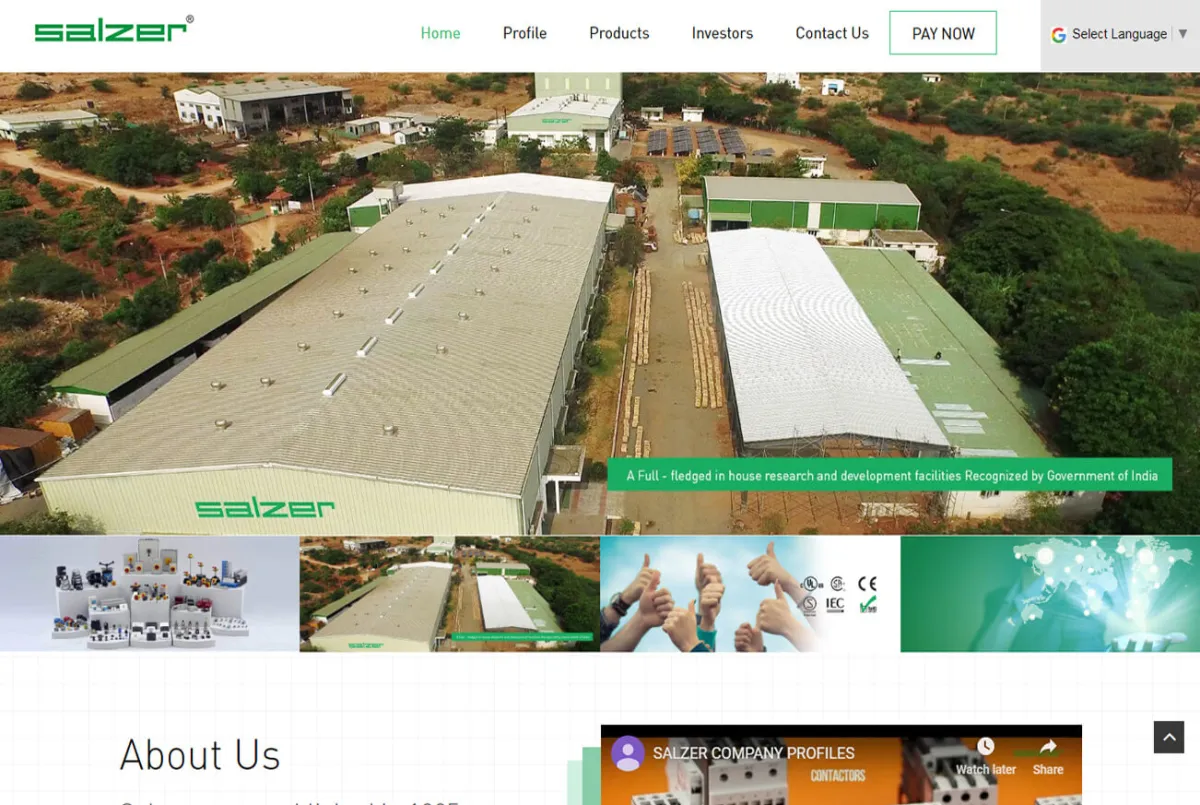

Export Engineering Website
Visit live site: vishalprecision.com Read the case study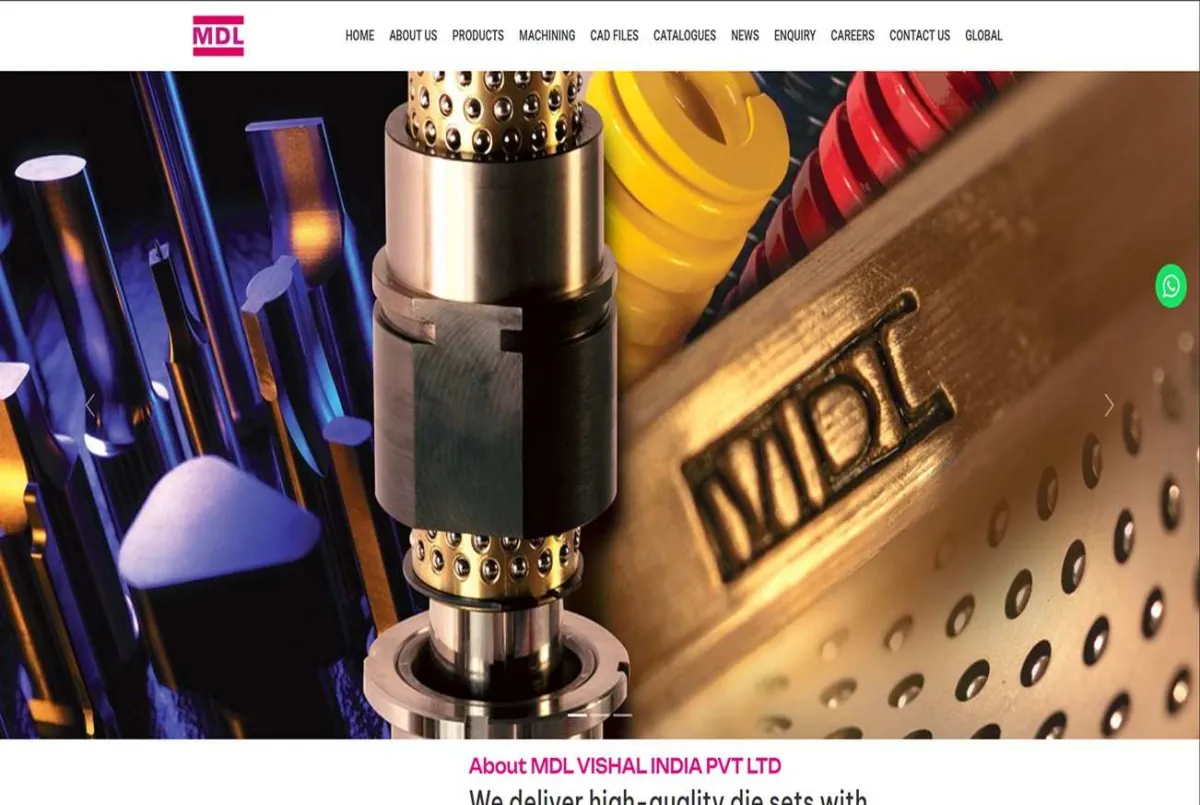
Defence Corporate Portal
Visit live site: mdl-india.com Read the case study
Dynamic Corporate Website
Visit live site: bhipl.in Read the case study“A professional, secure institutional website was essential for us. Samantha Technologies delivered exactly that — credible design, dynamic content management, and strong performance.”
“The website Samantha Technologies built for us is outstanding. Professional design, fast loading, and it ranks well on Google for our products. Our enquiries have tripled since launch. Excellent team and great communication throughout.”
“We needed a website to impress European buyers. Samantha Technologies delivered exactly that — professional, technically detailed, and credible. Our international enquiries have grown 6x since the new site launched.”
59 live client websites in our portfolio, including clients in Germany, Bahrain, UAE, Kuwait, UK.
We serve businesses across India, the Gulf, Singapore, the UK and the US. Each city page covers the industries, tax rules, payment methods and languages that apply there.
Pages written for a specific country rule or local industry, with the details that apply there.
Book a free demo. We walk through the system with your data and send an itemised quote within one business day.


