


 Book a Free Demo

Cotton Bale and Lot Management
Bales received by lot, variety, station and supplier with weight, moisture and fibre test results, stored by godown and issued against a mixing plan.
 ERP for Spinning Mills
Spinning mill software that follows cotton from bale to bag: lot and mixing records, production in every department, count-wise yarn stock, waste and power per kilo, lab results and yarn sales.

Each department records its own shift data, and the system joins it into yield, waste, power and cost for every count.
Bales received by lot, variety, station and supplier with weight, moisture and fibre test results, stored by godown and issued against a mixing plan.
Mixing plans by fibre properties and cost, lay-down records, blends with polyester or viscose, and the actual mixing cost per kilo of each count.
Blow room, carding, drawing, combing, simplex, ring frame and autoconer production by shift and machine, with hank, speed and stoppages.
Yarn stock by count, blend, lot and packing, in cones and bags, with work-in-progress at each department valued at cost.
Droppings, comber noil, flat strips, pneumafil, hard waste and sweepings recorded by department against norms, with waste sales billed from stock.
Spindle utilisation, grams per spindle, production efficiency, doffs, breakdowns and preventive maintenance schedules per machine.
Meter readings by department, with grid, captive wind and solar units kept apart, converted into units per kilo of yarn for each count.
Fibre tests, sliver and roving hank, yarn count and CV, strength, unevenness and imperfections, linked to the lot, mixing and machine.
Contracts with weavers, knitters and agents, despatch by bag and lot, GST invoices and e-way bills, and export invoices in foreign currency.
Weights, meter readings and machine data flow into the same records that produce invoices, GST data and the cost sheet.
We show you working software at every stage, and your team is trained before the switch-over.
We study your current process, documents, reports and pain points, free of charge.
Requirement documentWe design the screens, workflow and reports, and review them with your team.
Approved designWe develop module by module and demo each one, so feedback comes early.
Working modulesWe import your masters and opening balances and train every user.
Trained teamWe run the first days with you on site or online, then support you under an AMC.
Live system
Spinning margins depend on cotton cost, yield, waste and power, and each moves by small amounts that add up over thousands of kilos a day. Mills that see these figures only at month end find the problem after the cotton is already spun.
Spinning mill software records each department’s output and waste every shift, so the cost of each count is known daily. It sits within our wider textile ERP and can share masters with your weaving, knitting or processing units if the group runs them.
A spinning mill turns cotton into yarn through six or seven departments, losing a little weight at each and using power at every step. Spinning mill software is judged by how well it measures those losses and costs.
Cotton is bought in lots from traders, ginners or government agencies, and each lot’s fibre properties decide which counts it can make. The system stores test results per lot and helps build mixings that meet the quality target at the lowest cost. Purchases that fall under reverse charge GST, such as raw cotton bought from farmers, are recorded correctly, and every bale issued is logged, so the mixing cost per count is actual rather than estimated.
Each department records production by shift: chute or lap feed, card sliver, drawing, comber, roving, ring frame and then winding. The software compares input and output weight at each stage, so yield loss shows up in the department where it happened. Counts, hanks and machine speeds give the expected production, and the gap explains itself.
Waste is part of spinning, but every department has a norm. Comber noil, card droppings and hard waste are weighed and recorded against the norm for the count, and saleable waste is billed from stock. A mill that knows its waste per count can price yarn accurately and spot a machine that needs setting.
Power is often the largest cost after cotton. Meter readings per department, combined with production, give units per kilo for each count. Mills with captive wind or solar can record generation adjusted to the mill separately from grid units, so the cost per kilo reflects the real mix of sources. Department-wise readings also show when a compressor, humidification plant or lighting load is drawing more than it should.
Lab results are linked to the lot, mixing and machine, so a complaint from a knitter or weaver can be traced to its source. Yarn sales run on contracts with count, rate, quantity and delivery schedule. Despatches go out by bag and lot with GST invoices and e-way bills above the notified value and, for exports, invoices in foreign currency with packing details.
Included items are part of the standard system. Optional items are quoted separately when you need them.
| Item | Details | Status |
|---|---|---|
| Requirement study | Department walk-through, counts, reports and costing rules | Included |
| Cotton and mixing | Bales, lots, test results, mixing plans and issues | Included |
| Department production | Blow room to winding, by shift and machine | Included |
| Yarn stock | Count, lot, blend, cones and bags, WIP valuation | Included |
| Waste module | Department-wise waste, norms and waste sales | Included |
| Power and utilities | Meter readings, units per kilo, captive and grid units | Included |
| Quality lab | Fibre, sliver, roving and yarn tests | Included |
| Yarn sales and export | Contracts, despatch, GST, e-way bill, export invoices | Included |
| Machine data integration | Readings from monitoring systems where machines support it | Optional |
| Payroll | Shift wages, attendance, PF and ESI | Optional |
| Training and go-live | Department supervisors, lab, stores and office | Included |
| Source code | Full code and database handed over | Included |
Third-party charges, such as payment gateway fees, SMS or WhatsApp credits and e-invoice API fees, are shown separately at cost.

We have built custom software for businesses in Coimbatore, across India and abroad since 2007. Our own Coir ERP runs in coir factories every day.

After delivery and payment, the source code and database are yours. No licence per user, no lock-in.

GST, e-invoicing, e-way bills, TDS, PF and ESI are built into the system, not bolted on.

1000+ projects delivered, including ERP, billing, inventory and payroll systems that are still in daily use.

Visit us in Coimbatore or call, email or WhatsApp us Monday to Saturday, 9:30 AM to 6:30 PM IST.
Live websites and systems our team built, which you can open and check yourself, and what our clients say about working with us.
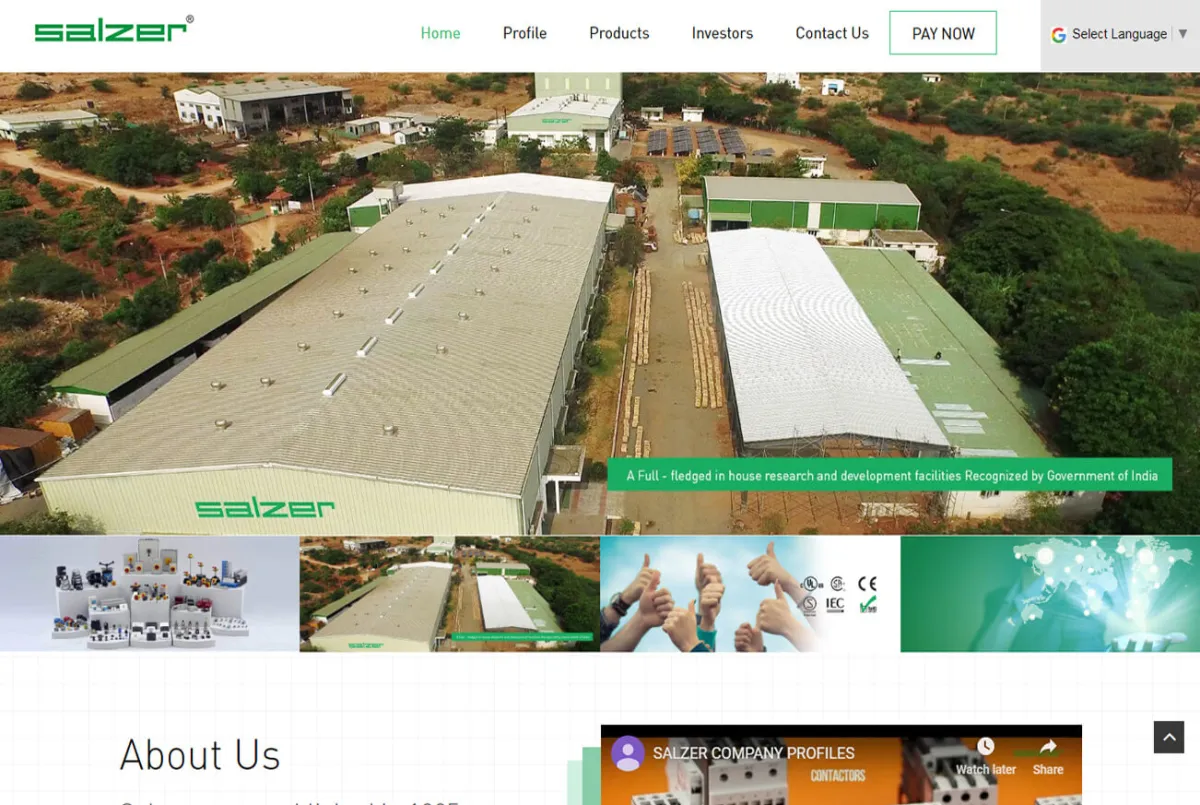

Export Engineering Website
Visit live site: vishalprecision.com Read the case study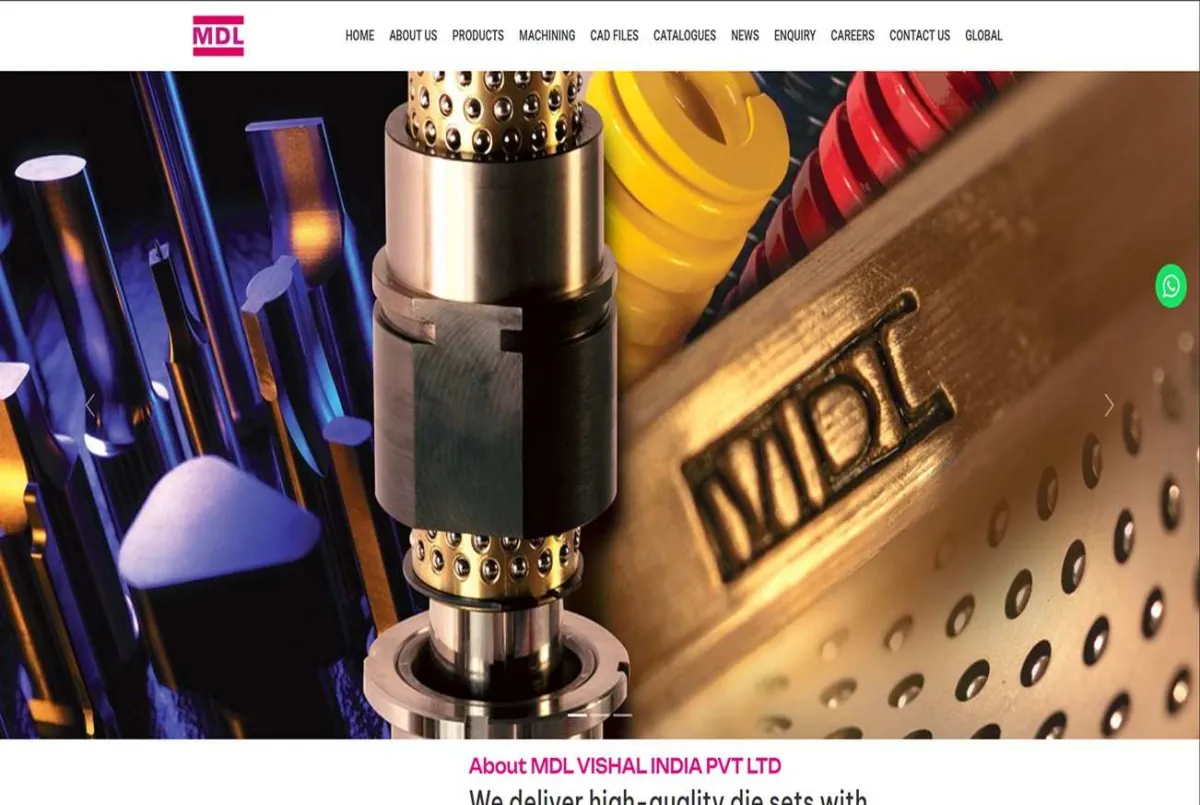
Defence Corporate Portal
Visit live site: mdl-india.com Read the case study
“We needed a website to impress European buyers. Samantha Technologies delivered exactly that — professional, technically detailed, and credible. Our international enquiries have grown 6x since the new site launched.”
“A professional, secure institutional website was essential for us. Samantha Technologies delivered exactly that — credible design, dynamic content management, and strong performance.”
“The website Samantha Technologies built for us is outstanding. Professional design, fast loading, and it ranks well on Google for our products. Our enquiries have tripled since launch. Excellent team and great communication throughout.”
59 live client websites in our portfolio, including clients in Germany, Bahrain, UAE, Kuwait, UK.
We serve businesses across India, the Gulf, Singapore, the UK and the US. Each city page covers the industries, tax rules, payment methods and languages that apply there.
Book a free demo. We walk through the system with your data and send an itemised quote within one business day.


