


 Get a Free Quote

Heat and Melt Records
Each heat with furnace, charge mix of pig iron, scrap, returns and alloys, melt and pouring temperatures, and the spectro or lab chemistry result.
 ERP for Foundries
Coimbatore’s grey iron, SG iron and steel foundries cast pump bodies, motor housings, valve parts and machine components for the city’s engineering units and beyond. Our foundry ERP follows every order from pattern and melt to fettling, inspection and dispatch, so you know the good castings, the rejections and the real yield of each heat.

A foundry earns on good castings by weight. The ERP records the weights at each stage, so yield and rejection are facts, not estimates.
Each heat with furnace, charge mix of pig iron, scrap, returns and alloys, melt and pouring temperatures, and the spectro or lab chemistry result.
Every pattern and core box by number, customer, cavities, location and condition, with customer-owned patterns kept separate and repair history recorded.
Moulds made per pattern per shift, boxes poured from each heat, and poured weight against casting weight so bunch yield is known per heat.
Rejections at knock-out, fettling, inspection, machining and the customer, by defect such as blow holes, shrinkage, sand inclusion or cold shut, traced back to pattern and heat.
Shot blasting, grinding, painting and machining stages, with work in progress and output weights by stage and by contractor.
Chemistry and mechanical properties linked to the heat, so a test certificate for a dispatch is printed from records already made.
Castings sent out for machining or painting, and customer material received for conversion, on challans with returns tracked by quantity and weight.
Invoices by casting weight or by piece as each customer agrees, with e-invoice and e-way bill produced at dispatch.
Pig iron, scrap, ferro alloys, sand, binders and consumables in stock, with foundry returns and runners added back for the next melt.
Melt, lab and weighbridge figures reach the ERP without being written twice.
We show you working software at every stage, and your team is trained before the switch-over.
We study your current process, documents, reports and pain points, free of charge.
Requirement documentWe design the screens, workflow and reports, and review them with your team.
Approved designWe develop module by module and demo each one, so feedback comes early.
Working modulesWe import your masters and opening balances and train every user.
Trained teamWe run the first days with you on site or online, then support you under an AMC.
Live system
Many foundries know their total melt and their total dispatch for the month, but not which pattern, heat or shift produced the rejections in between. When the numbers are recorded per heat and per pattern, the causes show up: a pattern that needs repair, a sand mix that drifts, a pouring temperature that is too low on the night shift.
This page covers the foundry side of our manufacturing ERP. If your castings go on to machining, see our ERP for CNC and precision machining, and if you also want more enquiries, a website for pump manufacturers shows how we present castings and capability online.
The easiest way to see what a foundry ERP does is to follow one order from the customer’s drawing to the lorry.
The order is entered with casting number, grade, quantity, unit weight and delivery date. The system checks that the pattern is in the foundry and in usable condition, or flags that it is with the pattern shop or at the customer. Moulding is planned against the patterns, boxes and melt capacity available each day.
Each heat records the charge mix, melt and pouring temperatures and the chemistry. Moulds poured from the heat are logged against it, so every casting carries its heat number. Poured weight and good casting weight give the yield for that heat and pattern, and returns are added back to stock for the next charge.
Rejections are recorded at the stage they are found, with the defect, pattern and heat. Reports show rejection percentage by pattern, defect, shift and customer, and how much weight was lost at each stage. That is what a quality meeting needs, instead of a monthly total.
Castings sent outside for machining or painting go on job-work challans. Under Section 143 of the CGST Act, inputs sent to a job worker must come back within one year, while moulds, dies, jigs, fixtures and tools are excepted from that limit; whether a particular pattern falls in that list is a question for your tax adviser. The ERP keeps open challans aged and prepares the movement data for Form ITC-04. At dispatch, the invoice, e-invoice and e-way bill are produced together, with test certificates attached from the heat records.

Your Foundry ERP Software is planned, built and supported by one team in Coimbatore that has written custom software since 2007.

After delivery and payment, the source code and database are yours. No licence per user, no lock-in.

GST, e-invoicing, e-way bills, TDS, PF and ESI are built into the system, not bolted on.

1000+ projects delivered, including ERP, billing, inventory and payroll systems that are still in daily use.

Visit us in Coimbatore or call, email or WhatsApp us Monday to Saturday, 9:30 AM to 6:30 PM IST.
Live websites and systems our team built, which you can open and check yourself.
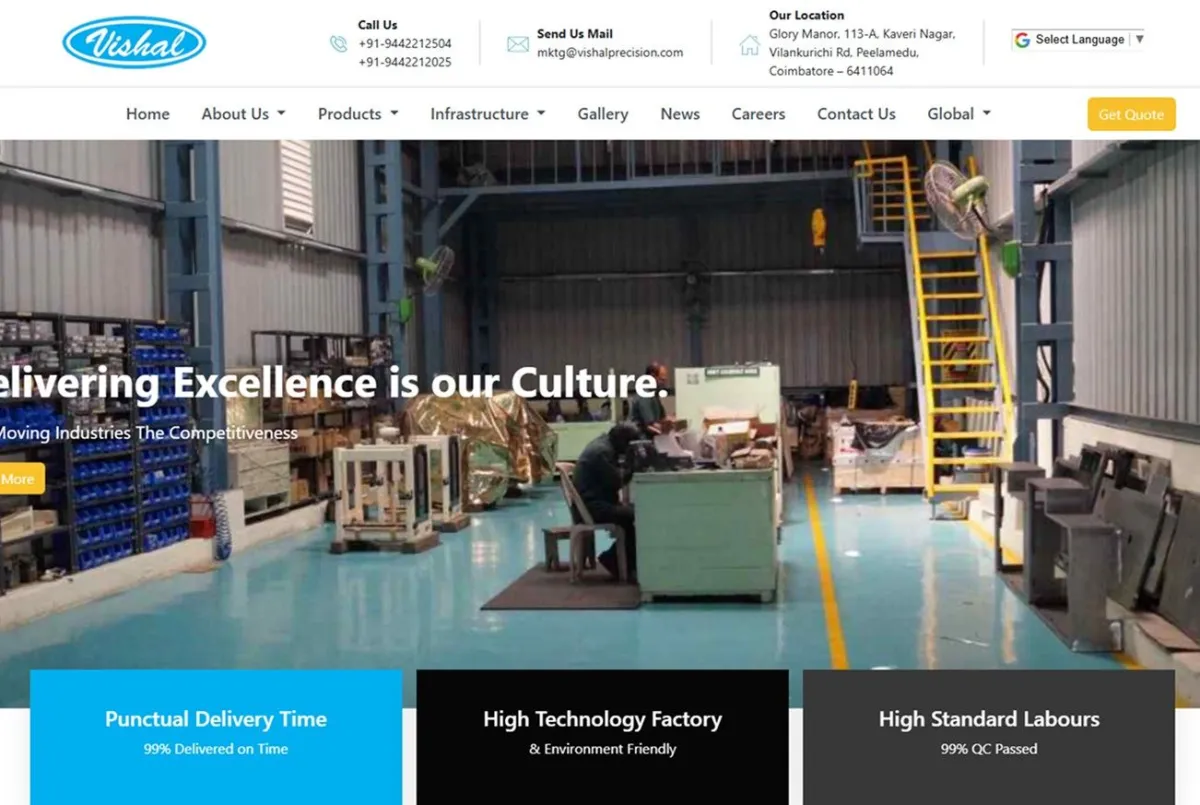
Export Engineering Website
Visit live site: vishalprecision.com Read the case study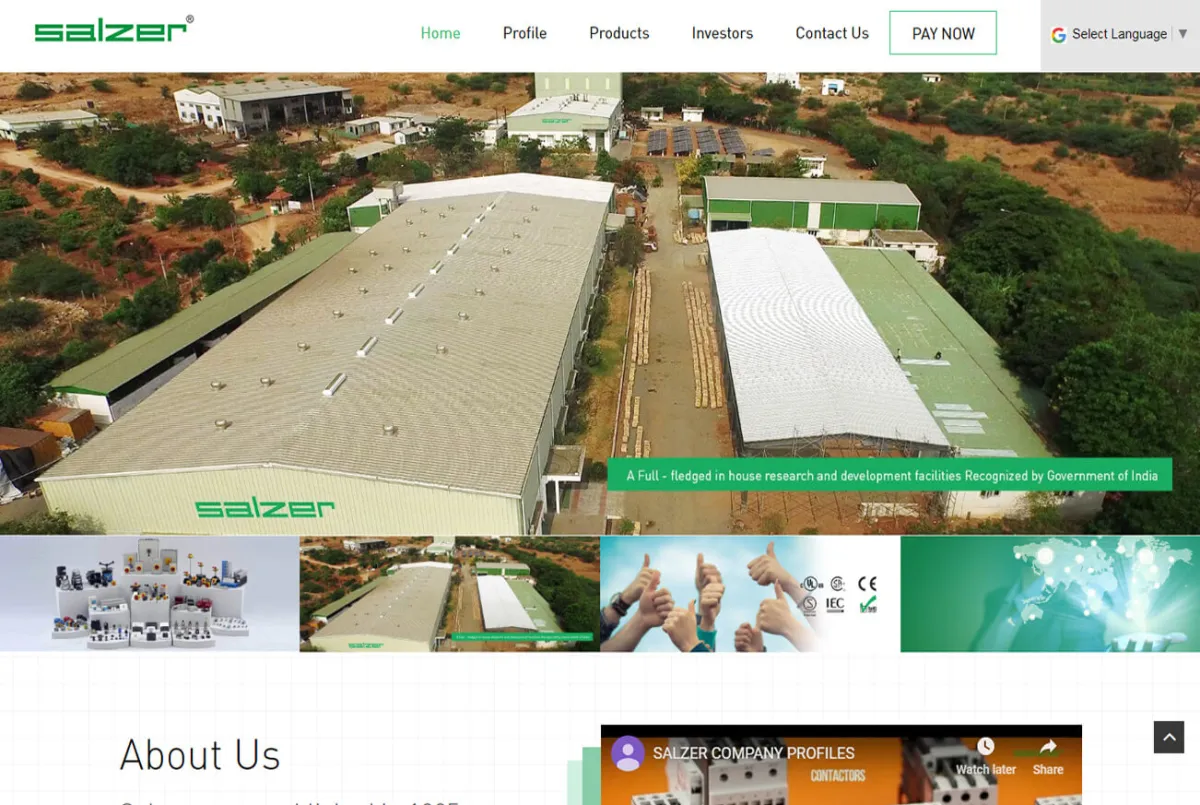
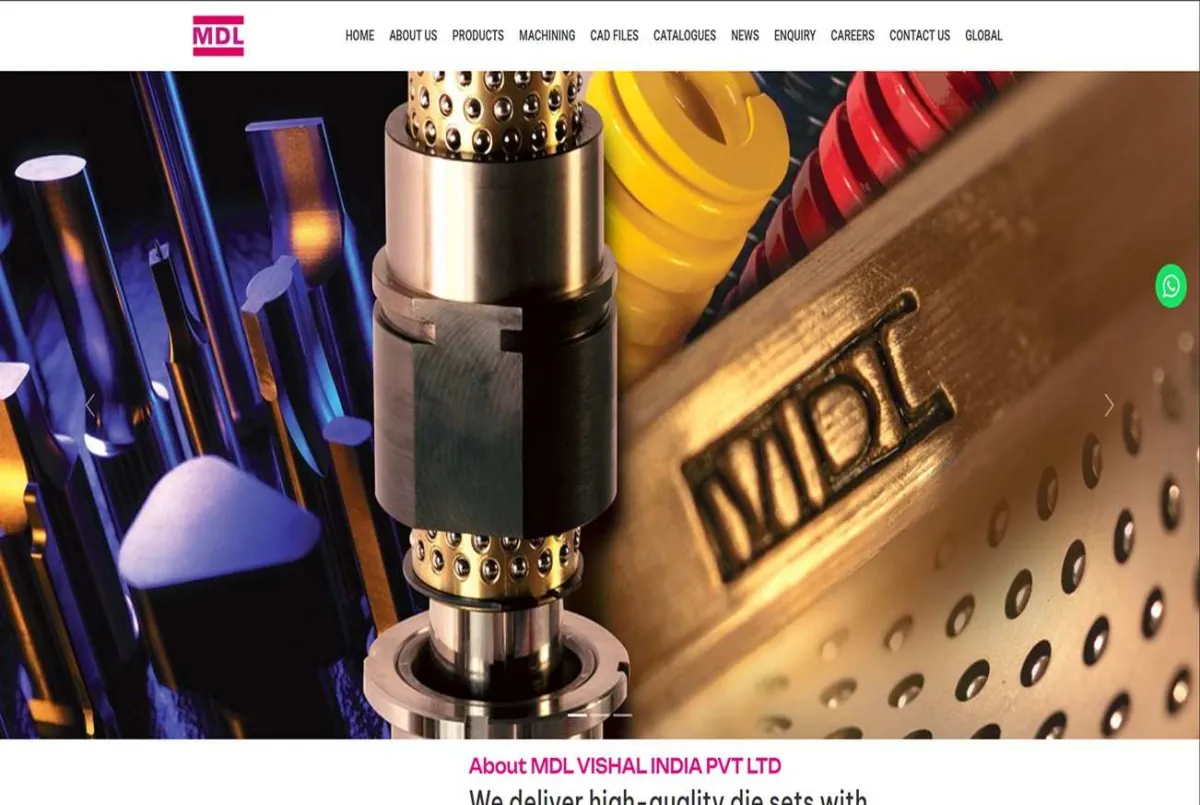
Defence Corporate Portal
Visit live site: mdl-india.com Read the case study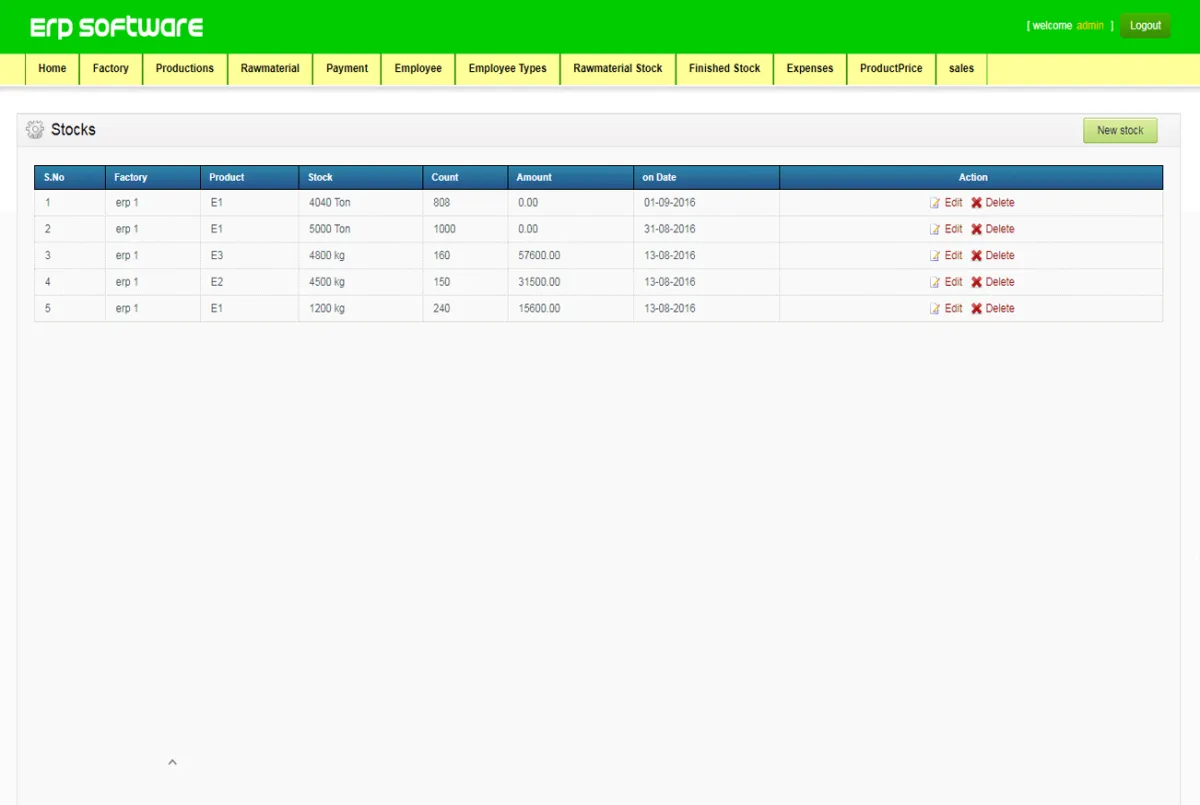
59 live client websites among the 64 projects in our portfolio, including clients in Germany, Bahrain, UAE, Kuwait, UK.
Share a few details. We study your process free of charge and send an itemised, scope-based quote.

