


 Read the Guide

Our product
 Journal Publishing Guide
A practical, step-by-step guide for universities, colleges, societies and academics who want to launch a credible research journal, and do things in the order that avoids wasted months.

Starting a journal in India is less about software and more about doing a dozen things in the right order. The title, the publisher details, the editorial board and the website all feed into the ISSN application; the ISSN and the website feed into DOI registration; and all of them decide whether indexes take you seriously later.
This guide walks through each stage as we plan it with new journals. If you would rather hand the whole launch to one team, see our journal launch service.
In this guide:
Write a one-paragraph aims and scope statement before anything else. It should name the subject area, the kinds of articles you accept (original research, reviews, case reports) and who the journal is for. A narrow, clear scope attracts better submissions than a broad "multidisciplinary" one, and reviewers can be found more easily.
Then choose a title. Check that no other journal already uses it by searching the ISSN Portal, and check that a matching domain name is free. The title on your website, your PDFs and your ISSN application must be identical, so settle it once.
Every journal needs a named publisher with a postal address: a university, college, department, registered society, trust, company or, in some cases, an individual. The publisher name appears on the ISSN record and on every article, so it should be the body that will still be responsible for the journal in ten years.
If you plan a print edition, check whether periodical registration rules under the Press and Registration of Periodicals Act, 2023 apply to you. Online-only journals usually start with the ISSN, but take advice for your own case.
Recruit an editor-in-chief and an editorial board of active researchers in your field, ideally from several institutions. Publish their names, affiliations and contact details. Indexes look for a real, diverse board, not a long list of names nobody can verify.
Decide the review model (single-blind, double-blind or open review), how many reviewers each manuscript gets and who makes the final decision. Write it down; it becomes your peer review policy.
Policies written after an index rejects you are too late. Publish these on the website from day one:
If you are choosing between open access models, our page on open access journal publishing explains the options.
You need a professional journal website with an online submission and review workflow behind it. Most new journals choose Open Journal Systems (OJS) or a custom platform. Either way, the site must show the title, publisher, editorial board, policies, contact page and published articles with proper metadata for Google Scholar.
If you are weighing up the options and the budget, read what decides the cost of an OJS journal website.
For an online journal, the ISSN National Centre for India at CSIR-NIScPR, New Delhi, expects a working website with the required details and published or clearly scheduled content. Applications are made through its online portal. Publish your first articles or first issue, check that every detail on the site matches the application, and then apply.
Our e-ISSN application guide lists the documents and the common reasons applications stall.
Once you have an ISSN, join Crossref (directly or through a sponsoring organisation) so every article gets a DOI and complete metadata. The steps are in our Crossref DOI registration guide. Then make sure Google Scholar can read your article pages.
Major indexes such as DOAJ, Scopus and Web of Science come later. They expect a record of regular, on-time issues and consistent policies, so treat them as goals for after your first few issues, not as launch-day promises. Our indexing support page explains what each one checks.
Each step feeds the next. Skipping ahead usually means repeating work.
Write the aims and scope, choose a unique title and check that a matching domain is available.
Scope and titleDecide which institution, society, company or person publishes the journal, with a full postal address.
Publisher detailsAppoint an editor-in-chief and an editorial board, and choose the peer review model.
Board and review modelPut author guidelines, peer review, ethics, licence, archiving and charges policies on the site.
Policy pages liveSet up OJS or a custom platform with online submission, review and article pages.
Journal onlinePublish first content, then apply to the ISSN National Centre through its online portal.
ISSN issuedJoin Crossref, register DOIs for every article and make article pages readable by Google Scholar.
Citable, findable articles
We have built and hosted websites and software since 2007. Our journal team combines publishing know-how with 18+ years of web experience.

We have delivered 1000+ projects, including journal, university and publisher websites.

ISSN, DOI, Scopus and indexing bodies make their own decisions. We prepare you properly and never promise what they must decide.

Software, website, hosting, design, indexing support and marketing come from one team with one contact.

Call, email or WhatsApp us, Monday to Saturday, 9:30 AM to 6:30 PM IST. We answer within 2 to 4 business hours.
Live websites and systems our team built, which you can open and check yourself.
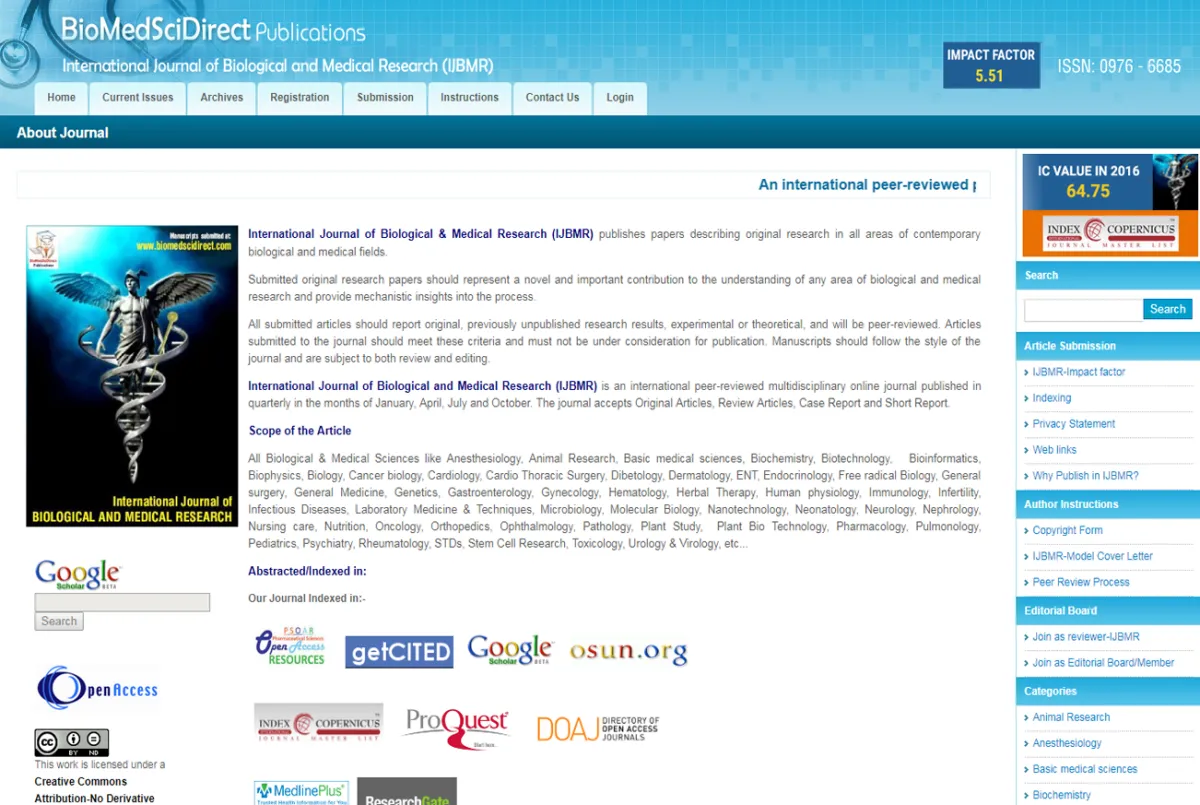
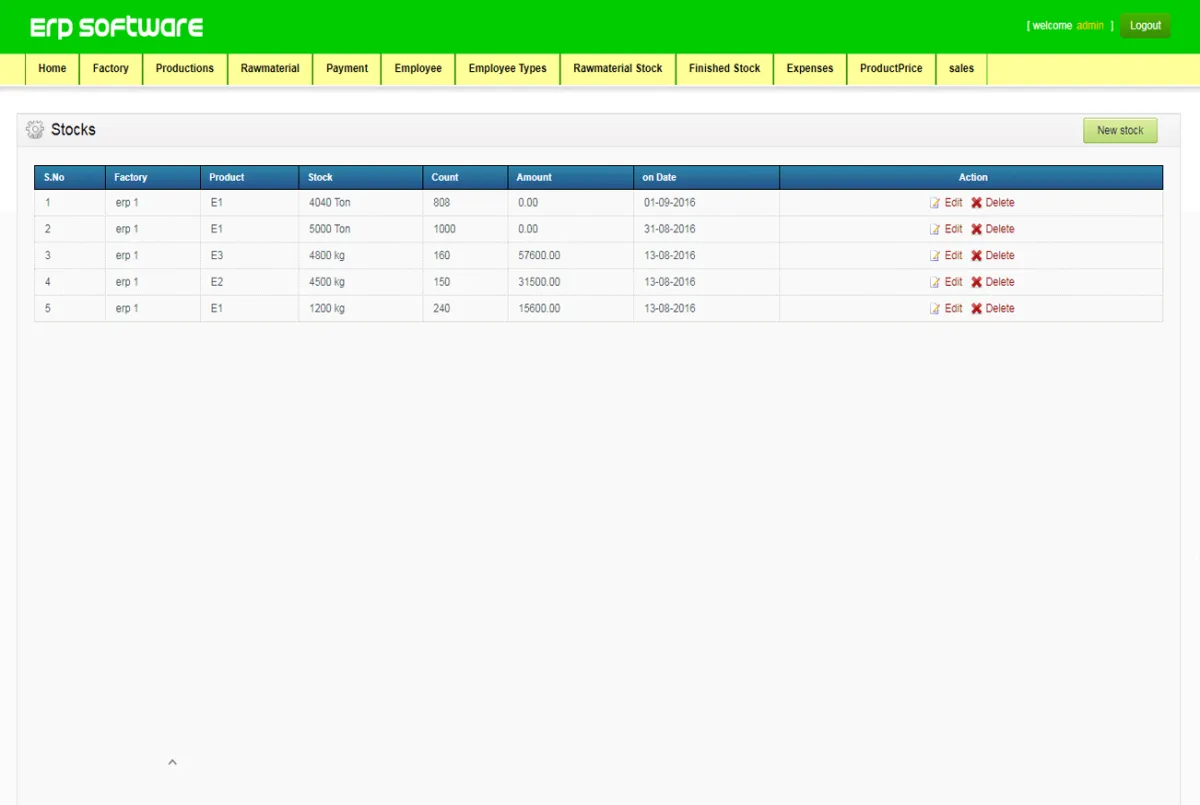

59 live client websites among the 64 projects in our portfolio, including clients in Germany, Bahrain, UAE, Kuwait, UK.
Tell us what you want to publish. We send a launch plan and a scope-based quote after a free consultation.

