


 Read the Guide

Our product
 Journal Publishing Guide
There is no honest single price for an OJS journal website. This guide explains the factors that decide the cost, so you can plan a budget and compare quotes on the same scope.
Open Journal Systems (OJS) is open-source journal software from the Public Knowledge Project (PKP), used by journals around the world. Because the software itself is open source, the cost of an OJS journal website comes from everything around it: the server it runs on, the work to set it up and make it look like your journal, the extras you need, and who looks after it afterwards.
Two quotes for "an OJS website" can describe very different projects. Below are the factors that decide the scope. We quote on scope, after a free consultation, and list each item so you can see what you are paying for. See our OJS services for what we do.
In this guide:
OJS needs a server with the right PHP version, a database, enough storage for PDFs and backups, an SSL certificate and email that actually reaches authors and reviewers. Shared hosting can work for a small journal; a busy journal or a university hosting many journals needs more resources. Daily backups, monitoring and security updates are part of good hosting, not extras.
Installing OJS is quick; configuring it properly takes longer. Journal settings, sections, review forms, user roles, email templates, submission checklists, licence and policy pages all have to be set up to match how your editors work. A journal with a simple single-blind workflow is less work than one with several sections, multiple review rounds and custom forms.
OJS comes with standard themes that look generic. Options range from adjusting a default theme with your logo and colours, to a child theme with a custom header, homepage layout and article page, to a fully custom design. The more the site should look like a distinct publication, the more design and front-end work is involved.
One OJS installation can host several journals. Each extra journal needs its own settings, theme adjustments, sections, policies and editorial setup, and a publisher portal page may be needed to list them. A university planning journals for several faculties should scope them together, because shared hosting and a shared theme reduce repeated work. See our multi-journal platform if that is your situation.
Many journals need more than the core features. Each plugin has to be installed, configured and tested with your version of OJS, and custom plugins need development time.
Moving an existing journal is often the largest variable. Migrating from another platform or a static website means moving articles, authors, issues and PDFs, and keeping old links and DOIs working. Upgrading an old OJS version can involve several version jumps, theme fixes and plugin replacements. The size of the archive and the state of the existing data decide the effort, so we review it before quoting.
A journal website is usually part of a bigger plan: applying for an ISSN, joining Crossref and registering DOIs, and getting ready for Google Scholar, DOAJ or other indexes. Including this setup in the project changes the scope. Third-party items, such as Crossref membership, are arranged with the organisation concerned under its own terms and are separate from our work. Our guides on the e-ISSN application and Crossref DOI registration explain each step.
Editors need training, and OJS needs looking after: security updates, version upgrades, backups, fixes when something breaks, and help when an author cannot submit. Support can be occasional or a regular plan with monitoring and a set level of help. Ask every provider what happens after launch and who you call.
Prepare a short brief and send the same brief to every provider, so quotes are comparable:
Launching a new journal? Read how to start a journal in India first, so the website fits the rest of your launch plan.
Quotes are scope-based. Nothing is fixed until you have seen the itemised list and approved it.
List the journals, design expectations, plugins, migration and support you need.
Clear briefWe discuss the brief with you and review any existing site or OJS installation.
Agreed scopeYou receive a quote that lists hosting, setup, design, plugins, migration and support separately.
Comparable quoteWork starts after your approval, on a copy first, with progress you can see.
Journal onlineTraining for your editors and a support arrangement that matches your needs.
Looked afterEach factor moves the effort up or down. A good quote lists them separately.
| Factor | Smaller scope | Larger scope |
|---|---|---|
| Hosting | One journal, modest traffic | Several journals, high traffic, dedicated server |
| Configuration | Single section, standard review | Several sections, custom forms, multiple rounds |
| Theme | Default theme with logo and colours | Fully custom design |
| Number of journals | One | Many, with a publisher portal |
| Plugins | Standard plugins configured | Custom plugins developed |
| Migration | New journal, nothing to move | Large archive from another platform |
| DOI and indexing | Not included | ISSN, Crossref and indexing readiness included |
| Support | Occasional help | Regular plan with monitoring and upgrades |
We quote on scope after a free consultation. Third-party items, such as Crossref membership or domain registration, are arranged with those organisations under their own terms.

We have built and hosted websites and software since 2007. Our journal team combines publishing know-how with 18+ years of web experience.

We have delivered 1000+ projects, including journal, university and publisher websites.

ISSN, DOI, Scopus and indexing bodies make their own decisions. We prepare you properly and never promise what they must decide.

Software, website, hosting, design, indexing support and marketing come from one team with one contact.

Call, email or WhatsApp us, Monday to Saturday, 9:30 AM to 6:30 PM IST. We answer within 2 to 4 business hours.
Live websites and systems our team built, which you can open and check yourself.
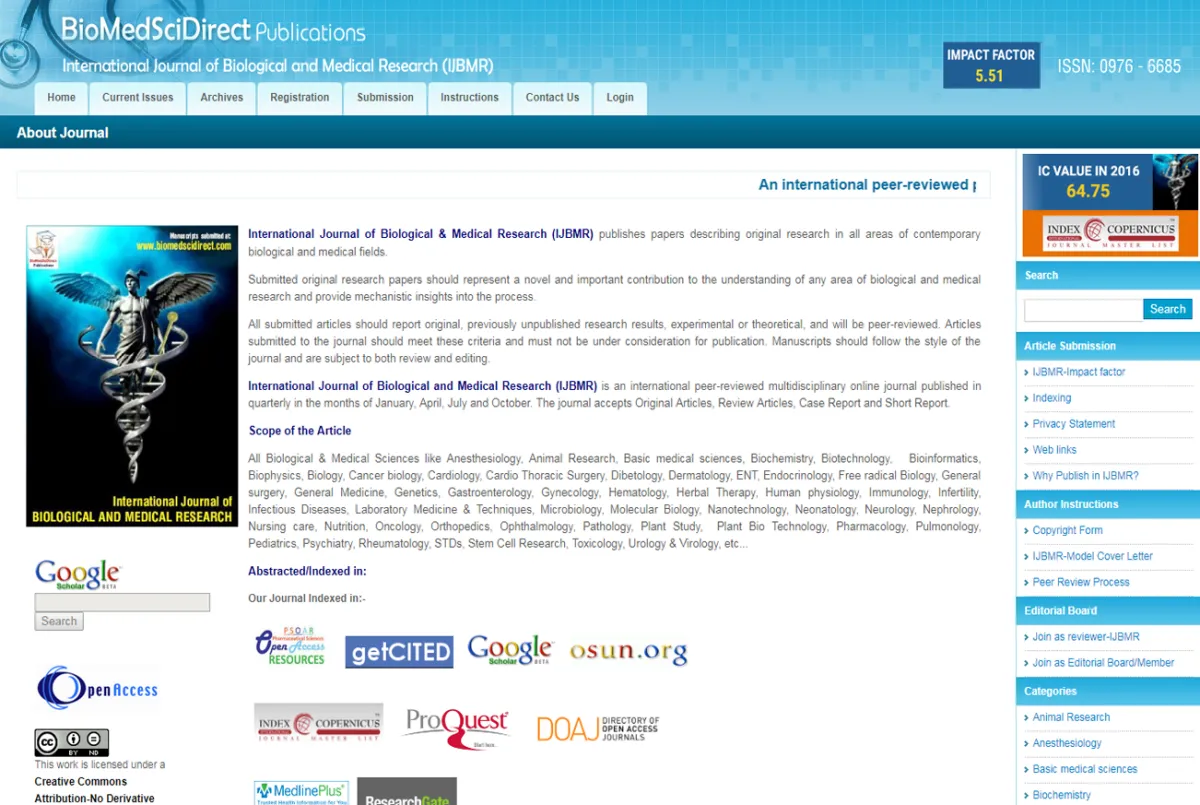
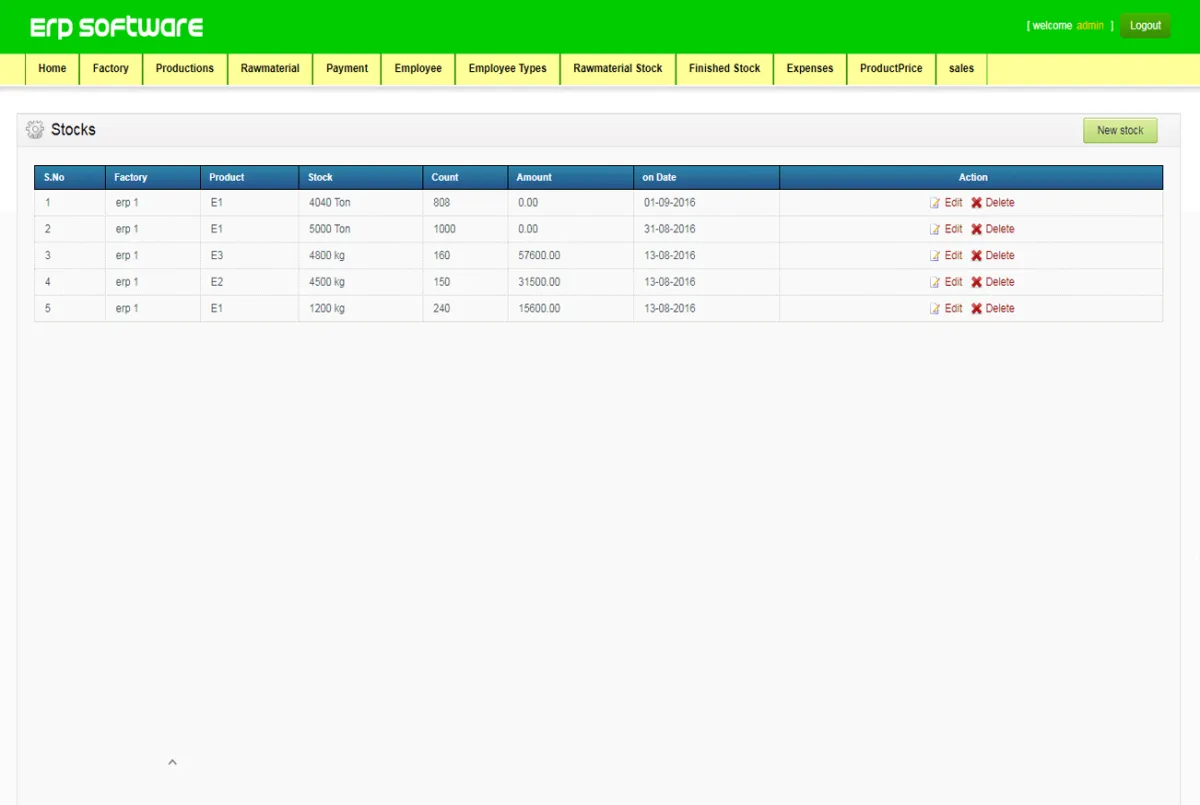
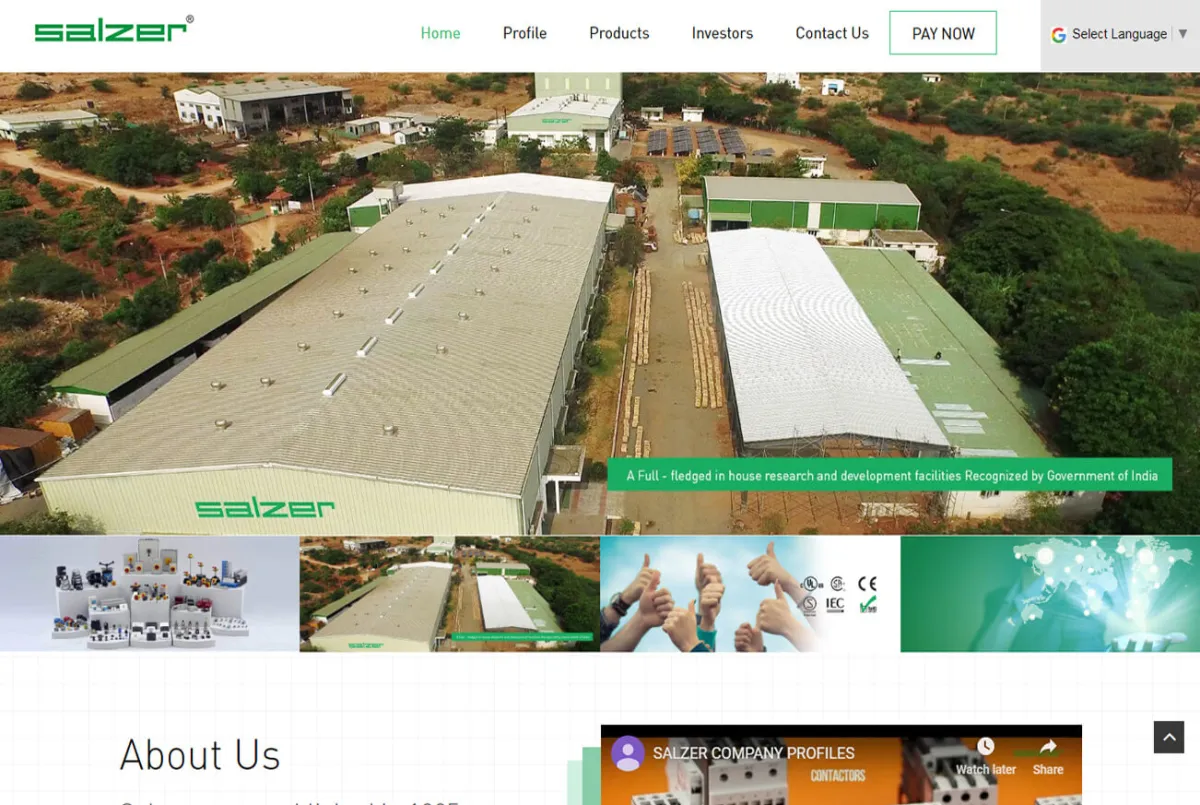
59 live client websites among the 64 projects in our portfolio, including clients in Germany, Bahrain, UAE, Kuwait, UK.
Share your brief. After a free consultation, you get an itemised, scope-based quote with no hidden items.

